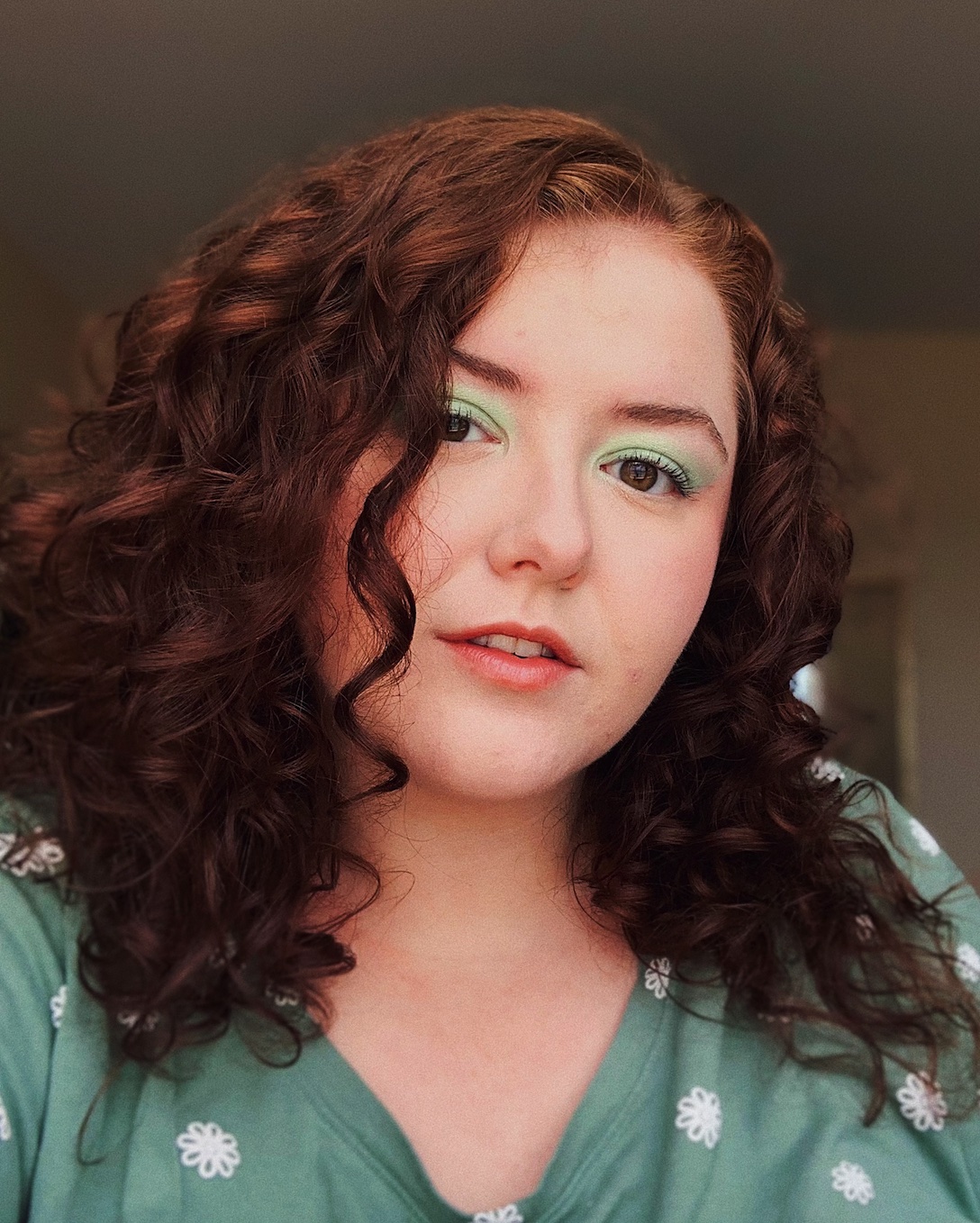
As Playwright/Dramaturg in Residence, you’re probably the hardest working person in the festival. You’ve dramaturged 14 of the 16 plays in the festival, you’re directing one of our Play Out Loud readings, you’re mentoring our emerging actors and directors via visits to rehearsals, and of course you’re also writing a new play that will be given a reading at the festival (among other things..). What’s it been like? Is there one of these tasks you enjoy more than others? Do they all fit or work together in a way?
Apart from really testing my scheduling and organizational skills, it’s been activating to work with so many different playwrights, who have unique approaches to writing, who are all writing wildly different plays. Part of me enjoys keeping an eye out for through lines and shared themes in the stories — support groups, embodying memories, AI — but working as the festival dramaturge has been a gift as no two plays (or days!) are the same. Each task is rewarding in different ways: attending rehearsals teaches me about how different artists interpret text, directing lets me collaborate with actors to water seeds Madeline has planted in her stunning script, and working on my own play has been an empowering experience. That said, my favourite part of the job has easily been the dramaturgical sessions and working directly with the playwrights to advance their scripts. But at the end of the day, everything kind of feeds into one another. Getting to step into the many styles and stories of this year’s festival has been refreshing and inspiring as a theatre-maker.
What’s the most rewarding thing about being a dramaturge (and for the uninitiated, maybe explain briefly what a dramaturge does)?
Dramaturgy for this festival largely consisted of reading drafts and providing notes and feedback to the playwrights in one-on-one sessions. These notes could include anything — highlighting a joke I laughed out loud at, offering cut proposals, addressing areas we could focus on a bit more — and are rooted in the offer mentality. I want to give them information they can consider when working through the next draft. Playwrights can sometimes be too close to the script to look at it objectively (I say this as a writer who does this), so my dramaturgy is rooted in a three-dimensional, outside view of the script. It’s like lifeguarding for writers, so they don’t drown in the process or the script. The most rewarding part is reading the revisions and seeing what they’ve chosen to engage with. I never expect a playwright to simply apply all of my notes, so it’s always fun to see how they’ve used my feedback to crack open their script and make it more clearly reflect the story they’re trying to tell.
Tell us a bit about your new play, Like Confetti? And how does it fit into your journey as a writer over the last few years?
Like Confetti is a play that’s been percolating for some time. It’s about a girl who’s falling through key memories in her life — meeting her best friend, falling in love with theatre, pivotal turning points — to try to make a decision. It started, years ago, as a way to collect some impulses to inform pieces of a story and character. I wanted to pay tribute to my Grandmother who took me to musicals when I was younger; she’s responsible for me catching the theatre bug. I wanted to explore memory and a more snapshot approach to storytelling. Somewhere along the way, I may have had an artistic crisis of faith, so I wanted to talk about the pressure young artists place on themselves. It’s a lot more than I expected (and probably actually a full-length play, oops), but it made me feel like a writer again. I’m also happy to be back in my ‘sad girl play’ era.
Having been part of NotaBle Acts for some years now (going way back to when you won our first-ever High School playwriting contest!), what do you most enjoy or find most inspiring about the festival?
My favourite thing about NotaBle has always been that it provides growth opportunities to artists of every level. It doesn’t matter how old you are, if this is your first script or your fiftieth, or if you’re a professional artist or not. There’s space for folks of all experience levels and styles to grow and collaborate with others. Maybe you’re a new writer who learned how to format scripts, maybe you’re a director who’s working outdoors for the first time, maybe you’re an actor who learns how to engage with the new play development process, or maybe you’re an experienced playwright who’s thinking about structure differently after a talkback. I truly believe there’s opportunities to learn throughout the festival, no matter how long you’ve been doing theatre.
Any advice for audience members who aren’t familiar or a little leery with the concept of going to see a festival that is largely about developing new works?
My advice would always be to follow your curiosities. Spend a bit of time with the program and play descriptions and choose what’s most interesting to you! There’s something for everyone — romcom lovers, horror nerds, fatigued renters — so follow your impulses! Keep an eye on the schedule and categories, because that one choice will grant you access to at least one other show, maybe two, maybe five. If you want to learn more about the playwriting process, check out a reading or Friday’s one act performance for a talkback. Finally, know that, at the end of the day, NotaBle is a festival that’s focused on storytelling. These premieres have been the subject of great work and focus so they’re ready to be shared with you, the audience.
 NotaBle Acts