News

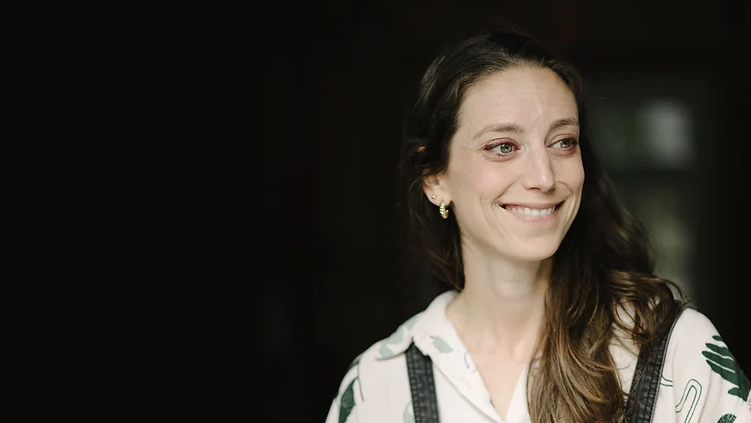
Playwright in Residence Julia Lederer shares six important tips foremerging writers.

A quick glance at Julia Lederer’s website shows the diverse path her writing has taken. From
plays to television and film, copywriting and the occasional magazine article, Julia is addicted to
words, phrases, and the various structures they can follow. Or as she describes it, “I am a bit
obsessed with the power of language.


“For me, writing can be tedious and hard to figure out sometimes, but I know I always feel
better when I do it,” she said, while pointing out how important a community can be to staying
inspired and learning new things about one’s work.


“Community is really helpful in terms of keeping going. I’ve found that in playwrights units, labs
and programs, and with friends I met doing indie theatre right out of school,” she said.
“More recently, I’ve found it through a class I took on Zoom that has continued weekly (with
some breaks) for almost a year now. Seeing others’ work change and grow and having people
to go to when you’re stuck or just feeling overwhelmed by being a writer has been essential to
me. It’s also just more fun than writing in a vacuum.”


Over the past several weeks Julia has worked with this year’s playwrights, helping to tweak and
add an additional layer of polish to their work. To extend her reach as Playwright in Residence
beyond this year’s participating writers, we asked Julia to share with us a few words of advice
for emerging and would-be writers.

1: Just Write.

I think the best advice is to write. Let yourself write knowing that most of the work will be
rewriting, and try to enjoy finding where you’re going, even if the path is winding. Try not to
worry if you’re not happy with what comes out initially, just ride it out. Words are easy to
change. 

2: Turn Off Your Inner-Critic.

I know I’ve struggled with my own inner-critic voice getting in the way of being creative, and I
really try to just push that part aside and get into the story, characters, and language. 

3: Drafts Are Essential.

Know that you’re going to write more drafts than you think, and that it will be hard (at times)
and (often) long, but once you get there you have that piece of work forever. 

4: Expand Your Community.

If you’re a playwright and you aren’t finding the opportunities you were hoping for where you
live, look elsewhere (or, do it anyway — the wonderful thing about theatre is that plays happen
almost everywhere). Do your research and reach out to places and artists who are doing work
that excites you and who you’d be interested in working with. Support your community, and
also seek out writing/work beyond that too. 
Especially in Canada, if you see or read something you connect to, reach out to the artist and
tell them. Email addresses aren’t hard to find, and most people will meet with you for a coffee
or a Zoom. Have questions when you do. 

5: Diversify.

Be open to different mediums. Find what you love, but know that there are lots of ways and
formats to write in, and you might surprise yourself. Stepping outside what you’re used to
writing will inform it when you step back in. 

6: Seek Feedback.

Seek feedback when you have a sense of what you’re hoping to achieve with a script. Outside
voices and collaborators are vital in writing for performance. Still, always hold close that this is
your work. You know it best. And still, be open to seeing it transform. 
NotaBle Acts Theatre Festival runs until August 6. Find full details including times and ticket info
at in the menu bar.

Photo by Barcsay Photography
A Q&A with playwright Julianne Richard

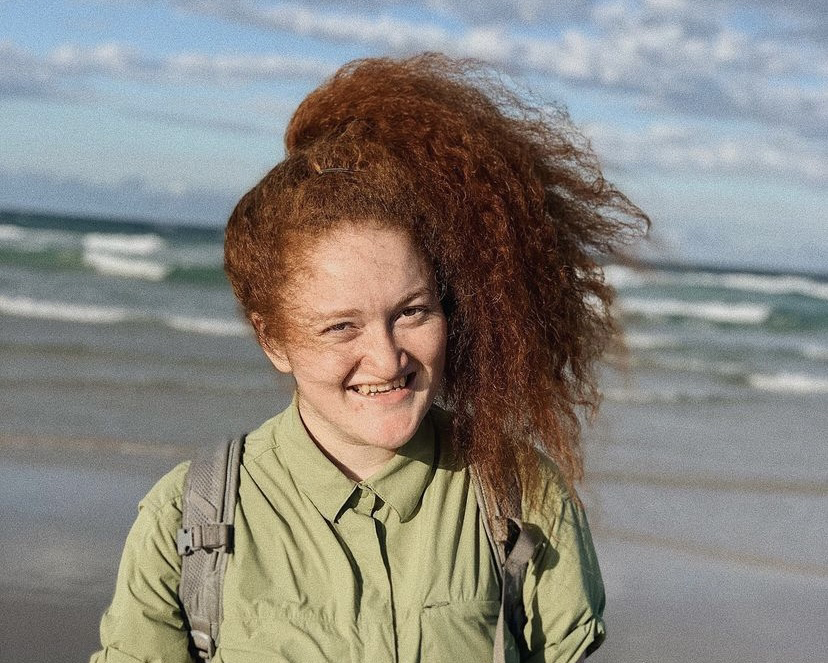
Julianne Richard (she/her) is a writer and theatre artist, returning for her sixth season with NB Acts. Born and raised in Fredericton, she has recently taken a break from being onstage in order to shift her focus to writing, directing, producing, teaching, choreographing, and occasionally chilling out. Her plays tend to focus on absurd jokes and reimagined clichés, or small moments and understated emotions – there is rarely an in-between. 

Julianne’s plays Murder Mondays and To Dig or Not to Dig are part of this year’s festival lineup. 

Two plays? Where do you find the time and the motivation?

Both of these plays began as creative writing projects for a playwriting class at UNB (shoutout to Len for developing his assignments to perfectly fit into NotaBle submission requirements – very clever move), so the early drafting process was mostly just deadlines and mild panic. That being said, I knew going in that I wanted both plays to be more than just class assignments. When I’m creatively fulfilled by a project, I tend to hyper focus on it until I feel satisfied, so time is always more of an issue than motivation. Late nights, early mornings, neglecting other deadlines, and a boatload of encouragement from many kind folks in my circle were key when it came to crossing the finish line for both of these stories. 

With two examples of your work included this year, how do they relate to one another opr do they? Can you explain a bit?

There’s definitely similarities between the two plays – they’re both comedies (though one is significantly more absurd than the other), and they both feel a little whimsical or quirky. I also write with a lot of wordplay, alliteration, and ridiculous vocabulary, so they’re both tongue twisters for the actors involved. At the heart of it, though, I just write what I know. While I’ve never been on a dinosaur dig and have never been involved in a murder investigation, my childhood was one of fieldwork (my parents are biologists) and Agatha Christie adaptations. The circumstances of both plays are very different from my own life, but they are both in settings or literary traditions I understand, at least to a certain degree. I’m also very guilty of mining my own conversations for good lines – so if dialogue from a play sounds familiar, it’s probably a variation of a conversation I’ve had in real life. Hazard of being my friend, I guess? 

You have been involved in NBActs for a few years now in different roles. Could you comment on the important role NotaBle Acts plays in supporting new and emerging writers like yourself?

This is the jackpot question, because I could easily spend all day waxing lyrical about how much I love NotaBle Acts. This is my sixth season with the festival (I don’t think the terrified-to-audition version of myself from 2017 would believe that I’m writing this), and I’m still blown away by the wealth of talent it supports, and the amount of creativity that it fosters every single year. I think having accessible spaces for people to share their art, where it can exist with and be seen by people at all skills levels, is an invaluable resource. In my experience, NotaBle Acts builds community, collaboration, and confidence – not just for playwrights, but for the many actors, directors, and crew members involved. These are my first plays that are ever being produced, and I feel so lucky that it is with this festival – it would have felt wrong to start anywhere else. 

Julianne’s play Murder Mondays will be performed as a double bill with I Hope You Can See The Birds from July 28-30, 7:30 p.m., nightly, at Memorial Hall, UNB (9 Bailey Drive). Tickets available at the door for 15$ regular, 10$ senior/student/underwaged.

Her other play To Dig or Not to Dig is one of four ten-minute plays featured in this year’s Taking It To The Streets series of pay-what-you-can outdoor performances. Catch a performance July 24-27 at the Beaverbrook Art Gallery Courtyard beginning at 7:30 p.m.

Murder Mondays by Julianne Richard | Directed by Jake Martin | Featuring Rose Messenger, Brenna Gauthier, Alex Fullerton and Jason McIntyre.

To Dig or Not to Dig by Julianne Richard | Directed by Armin Panjwani | Featuring Rebecca Tremblay and Adrian Saliendra.