Uncategorized

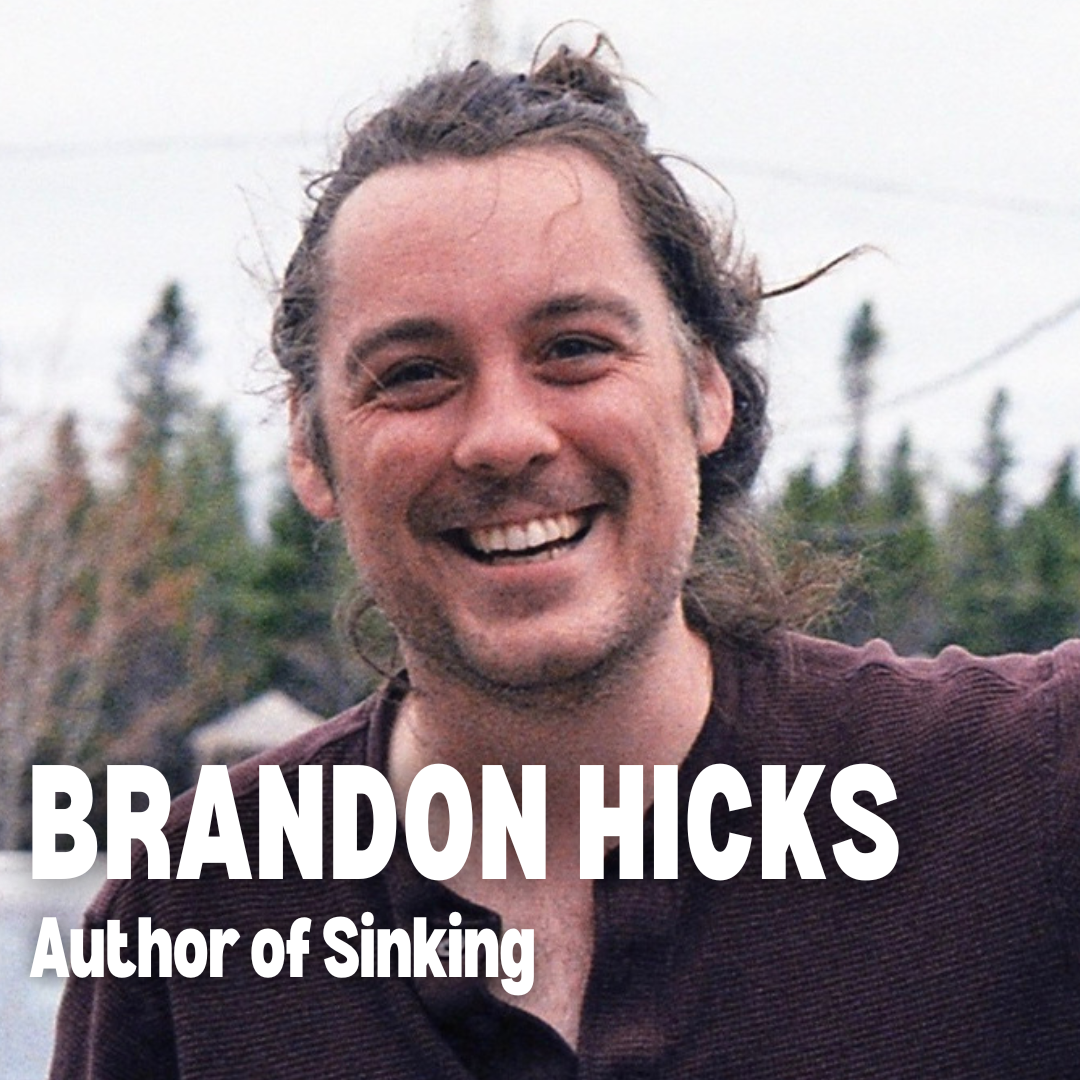
Full Interview With Acting Out Playwright Brandon Hicks

Tell us a bit about Sinking and what led you to write it?

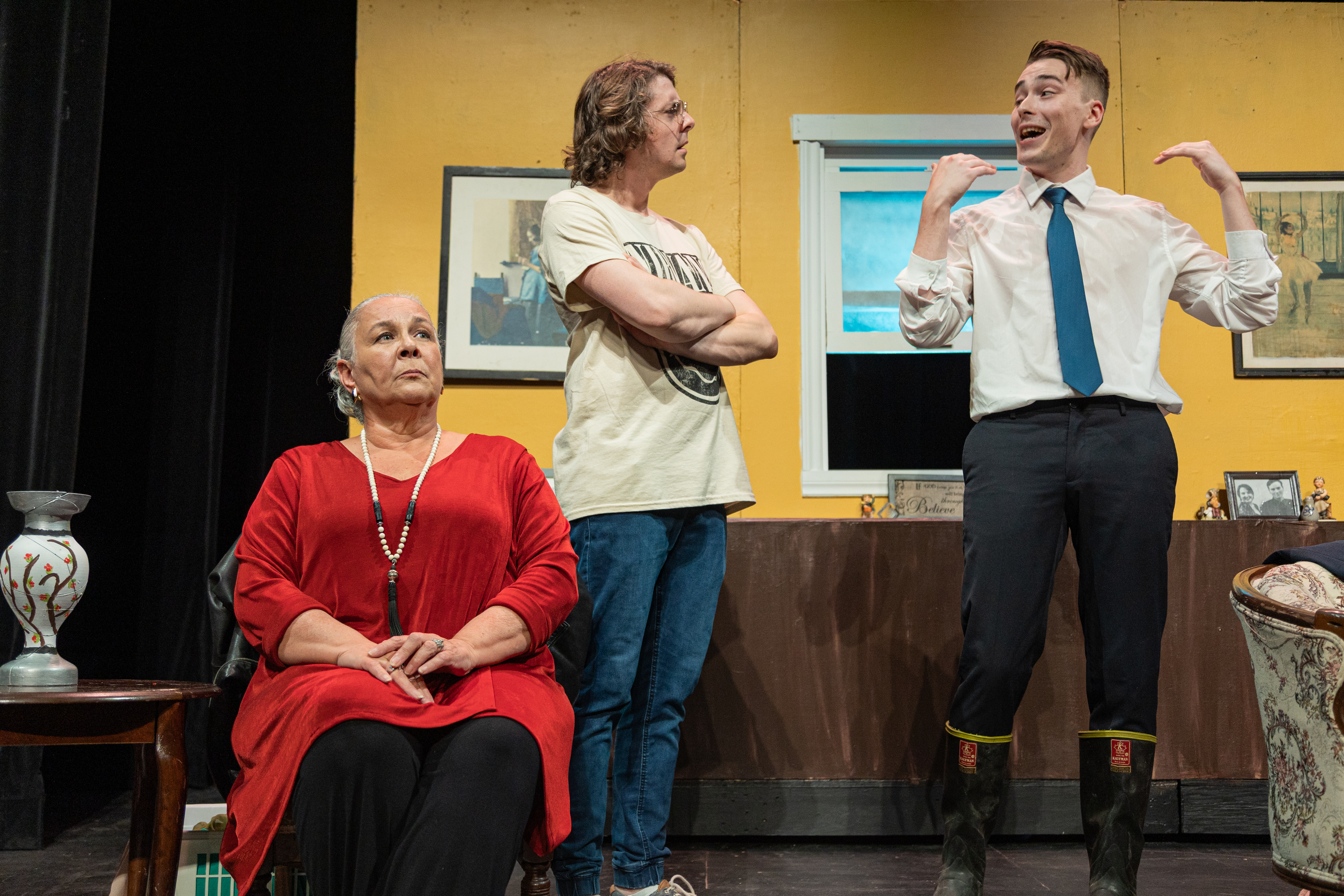
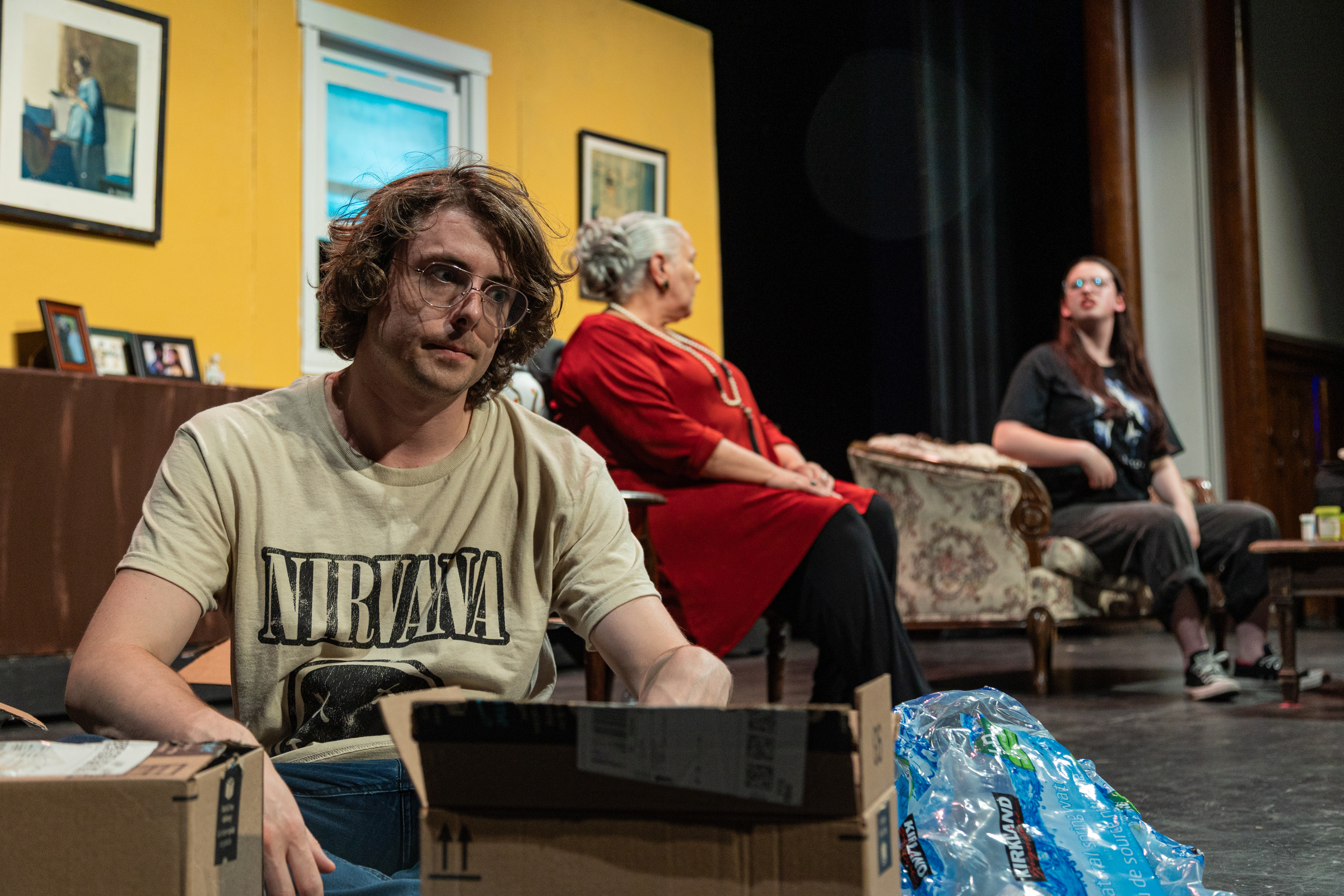
Sinking is about a woman who is reluctant to leave her home, even as it is literally sinking into the bay. Resisting the help of her son and granddaughter, she’s desperate to turn back the clock.

The play was borne out of a desire to write something about the generational divide, and to sink my teeth into something a little longer than I’m used to writing.

Developing these characters, they really came alive for me on the page, and proved to be excellent navigators through the stormy ideological waters I had hoped to explore.

You’re a cartoonist by trade and you’ve had several ten-minute plays in NotaBle Acts before, so this is your first longer work to be staged. What are the most notable differences between writing a ten-minute and a one-act play?

I can only speak personally, but in my experience, a ten-minute play starts with a premise which I then build characters into.

For example, the seed of my short play this year, Don’t Shoot Your Mother!, was that it might be funny to present video game avatars live on stage. Working off of this concept, I started to think about what kind of a story would support the premise, and what characters ought to occupy it.

For Sinking, it was almost the exact opposite. I started with the characters, looking to explore the increasing difficulties of communicating across generational lines. As I wrote, the premise began to shift and change shape as I found ways to express the ideas through metaphors, jokes and concepts as well as dialogue.

In a one-act, the audience is spending more time with these people, so they tend to expect more from them by the end.

Sinking deals with some serious themes by way of a lot of comedy. What is the balancing act you face in doing that, and why the mixture?

Like anyone with a nervous system in 2025, I’m hyper-aware of the myriad of political concerns that plague us these days. I’m confronted with the same ugly headlines and depressing rhetoric that you are.

Especially with the issues that this play is concerned with—namely, the housing crisis and climate change—these can be flattened into simple data and talking points. This is something the internet is especially good at doing. It coddles your feelings, reenforces your values and isolates you.

Conversely, theatre is confrontational. As an audience member, you’re in the room with real people, watching real people disagreeing with each other on stage.

For me, it’s less a play about politics than it is about communication. These are three characters who love each other, and want to connect, but struggle to cross the generational, economic and societal barriers we’ve built against one another.

As for the humour—I just believe it’s the most effective form of communication. When you say something in a funny way, you can be certain it’ll be heard. If you’re lucky, the audience will even make a little noise to confirm it.

As a NotaBle Acts veteran, what do you find most appealing about the festival, and why do you keep coming back?

You folks perform original plays, and I like to write ‘em!

NotaBle Acts is an incredible gift for any aspiring writer. Fredericton has some of the best theatre talent in the country, and the festival rallies all of this expertise behind new, untested material. Where else can someone with no prior experience try their hand at writing a script, then have it performed by world-class actors?

But that’s just as a participant. As a fan, it’s always a joy to hear New Brunswick voices, and to see the incredible work that the directors and stage managers bring to each production.

I believe theatre should be accessible, and I can’t think of any festival that works harder to make it so, on both sides of the stage.

Photo Credits: Kyle Albright

Full Interview With Acting Out Playwright Gill Salmon

Tell us a bit about your play, 32 Short Plays About Fredericton? What inspired it and what’s it about?

My play 32 Short Plays About Fredericton was inspired by all of the stories that we tell about Fredericton, specifically the lore that may or may not be true. Having lived here since 2007, I have heard many and I’m still not 100% on what’s true, but I liked the idea that they all stemmed from things happening around one person, so that’s basically what the play’s about. Paired with some existential crises.

What’s your elevator pitch for curious audience members to come see the play, or our twin-bill Acting Out as a whole?

If you like 30 minutes of a chaotic fever dream, comedy, and some semi-accurate history, come on out to see 32 Short Plays About Fredericton. Learn the real reason behind the bylaw pertaining to allowing reptiles and snakes in public spaces, and whether you are real or a vessel through which stories are told. This play’s got everything: Frogs, snakes, ducks, a Gondolier, a spaceship, hot turkey sandwiches, Steven Spielberg, a Mexican Drug Cartel, and much, much more somehow. You’ll laugh and you’ll learn.

You are actually in the play yourself, playing the Narrator. What’s it like being in the play as this character who is semi-detached from the action, but still very much a part of it?

I am! It’s kind of surreal, since I did not write myself into it, and it refers to the playwright by name at one point. It’s been fun! Actually being in the play has given the piece more depth for me. I always wanted to write a play with a narrator and it feels good to BE that also. Plus, I haven’t been in a play in 25 years so this has been a really fun experience for me.

How has it changed what’s been your usual experience of the rehearsal process, where for past shows you were just the playwright in the room? Do you find acting in your show has given you new insight into the script as writer? What’s your collaboration process been like with director Naomi McGowan and the rest of the company?

It’s hugely changed my usual experience with rehearsals. In previous years after meeting with the festival’s dramaturg, I would usually attend one rehearsal and really kind of let the director take the wheel. I feel like Naomi as well as the rest of the cast (and crew) have been instrumental in making this piece shine as bright as it is shining right now. It’s been great to see what in the script is not actually working and can be axed, which is not something I would have gotten to do if I wasn’t in it.

Do you have a favorite tale about Fredericton among the ones in your play? Have you learned about some others since writing the play? Can we expect a sequel?

I’m a huge fan of the Coleman frog, which is kind of how this started. I love everything about it and all of the information that exists about it in the Fredericton Museum. I feel like he’s our very own cryptid. I have some ideas for a sequel, and would even like to explore the lore of different cities to see if I can tie stuff together elsewhere, or an NB one. We have a lot of tales here!